
Entre Fronteras
Rodrigo Ímaz
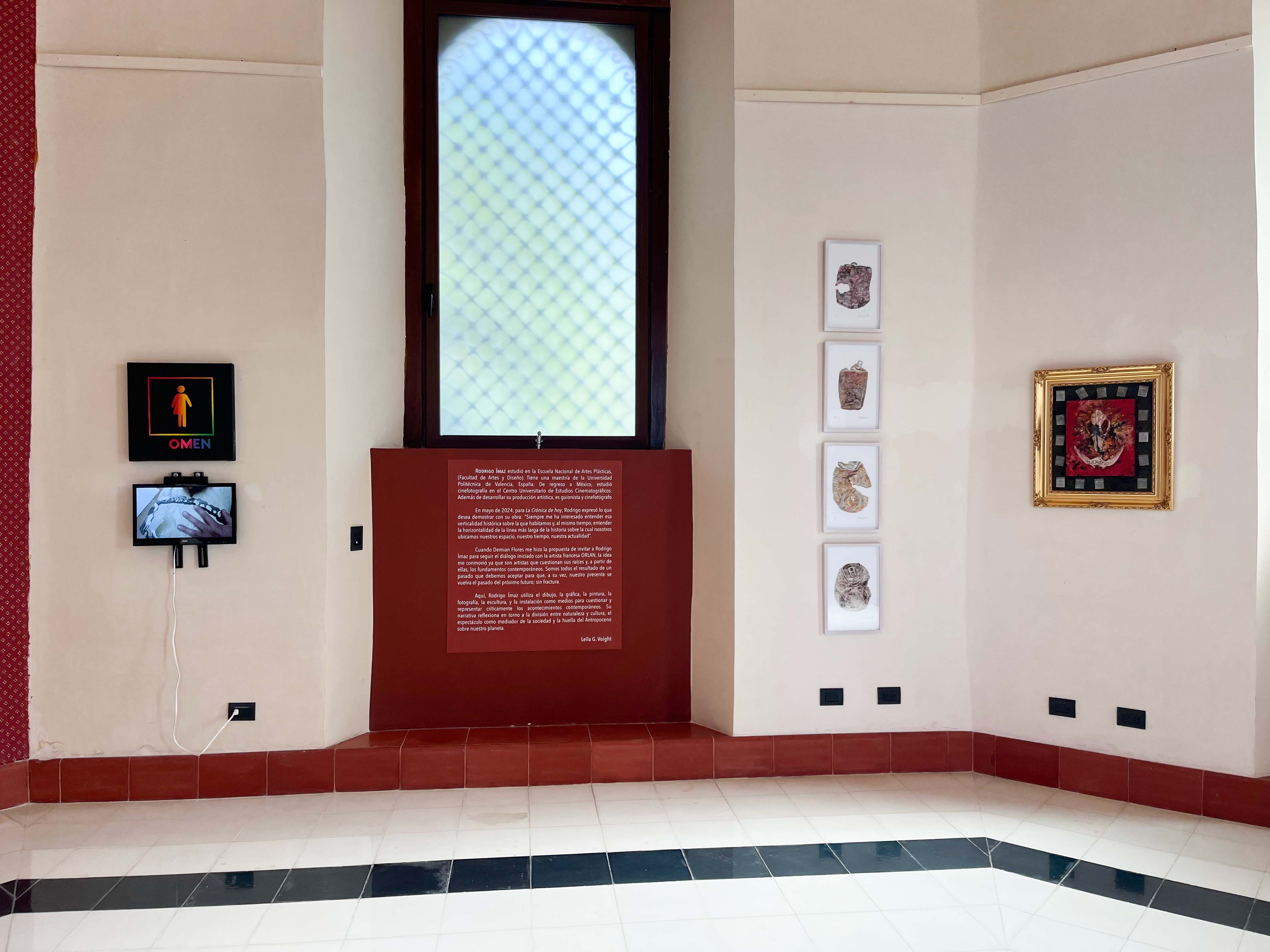
RODRIGO ÍMAZ estudió en la Escuela Nacional de Artes Plá sticas, (Facultad de Artes y Diseño). Tiene una maestría de la Universidad Politécnica de Valencia, España. De regreso a México, estudió cinefotografía en el Centro Universitario de Estudios Cinematográficos. Además de desarrollar su producción artística, es guionista y cinefotógrafo.
En mayo de 2024, para La Crónica de hoy, Rodrigo expresó lo que desea demostrar con su obra: “Siempre me ha interesado entender esa verticalidad histórica sobre la que habitamos y, al mismo tiempo, entender la horizontalidad de la línea más larga de la historia sobre la cual nosotros ubicamos nuestros espacio, nuestro tiempo, nuestra actualidad”.
Cuando Demian Flores me hizo la propuesta de invitar a Rodrigo Ímaz para seguir el diálogo iniciado con la artista francesa ORLAN, la idea me conmovió ya que son artistas que cuestionan sus raíces y, a partir de ellas, los fundamentos contemporáneos. Somos todos el resultado de un pasado que debemos aceptar para que, a su vez, nuestro presente se vuelva el pasado del próximo futuro; sin fractura.
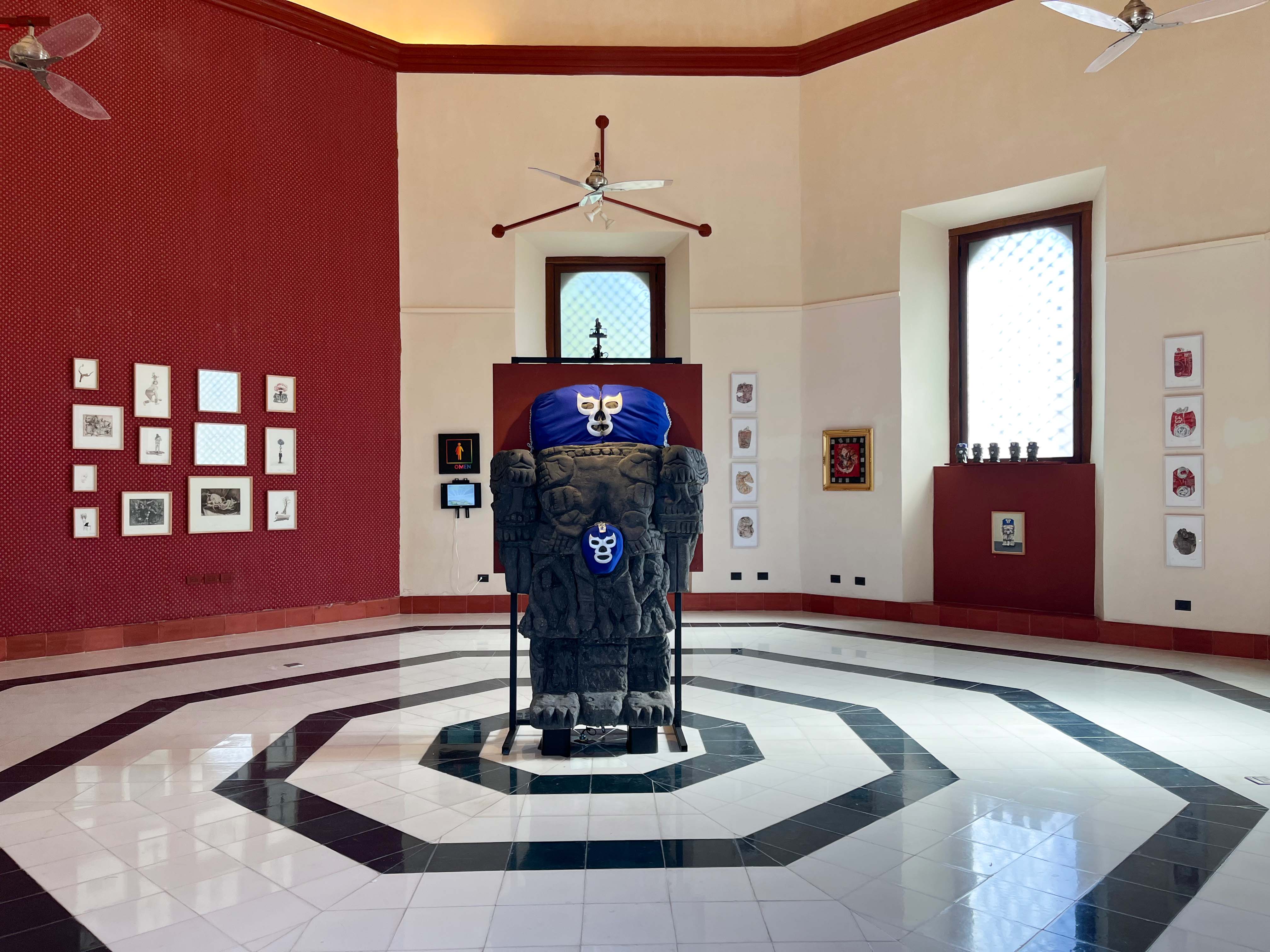
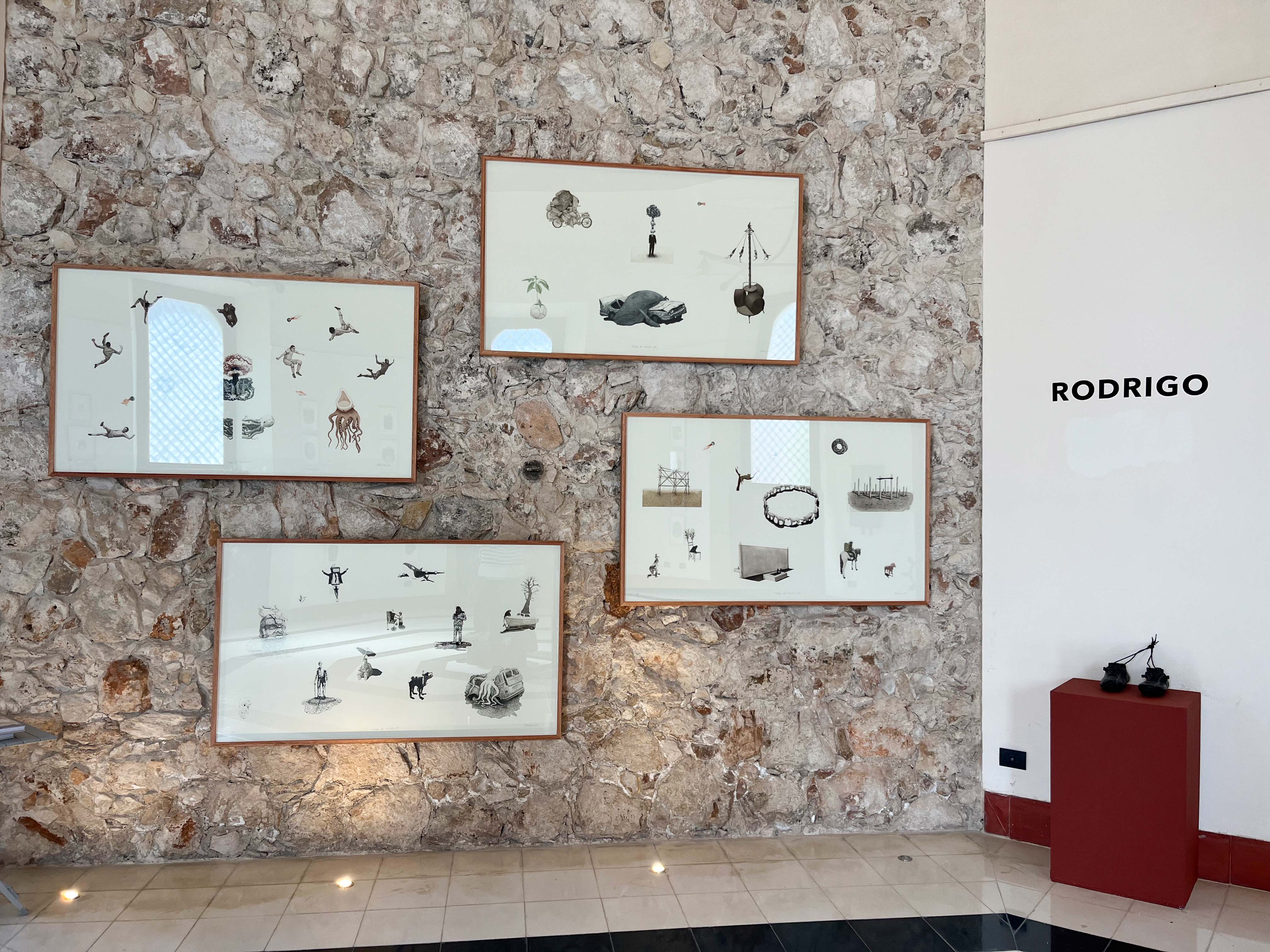
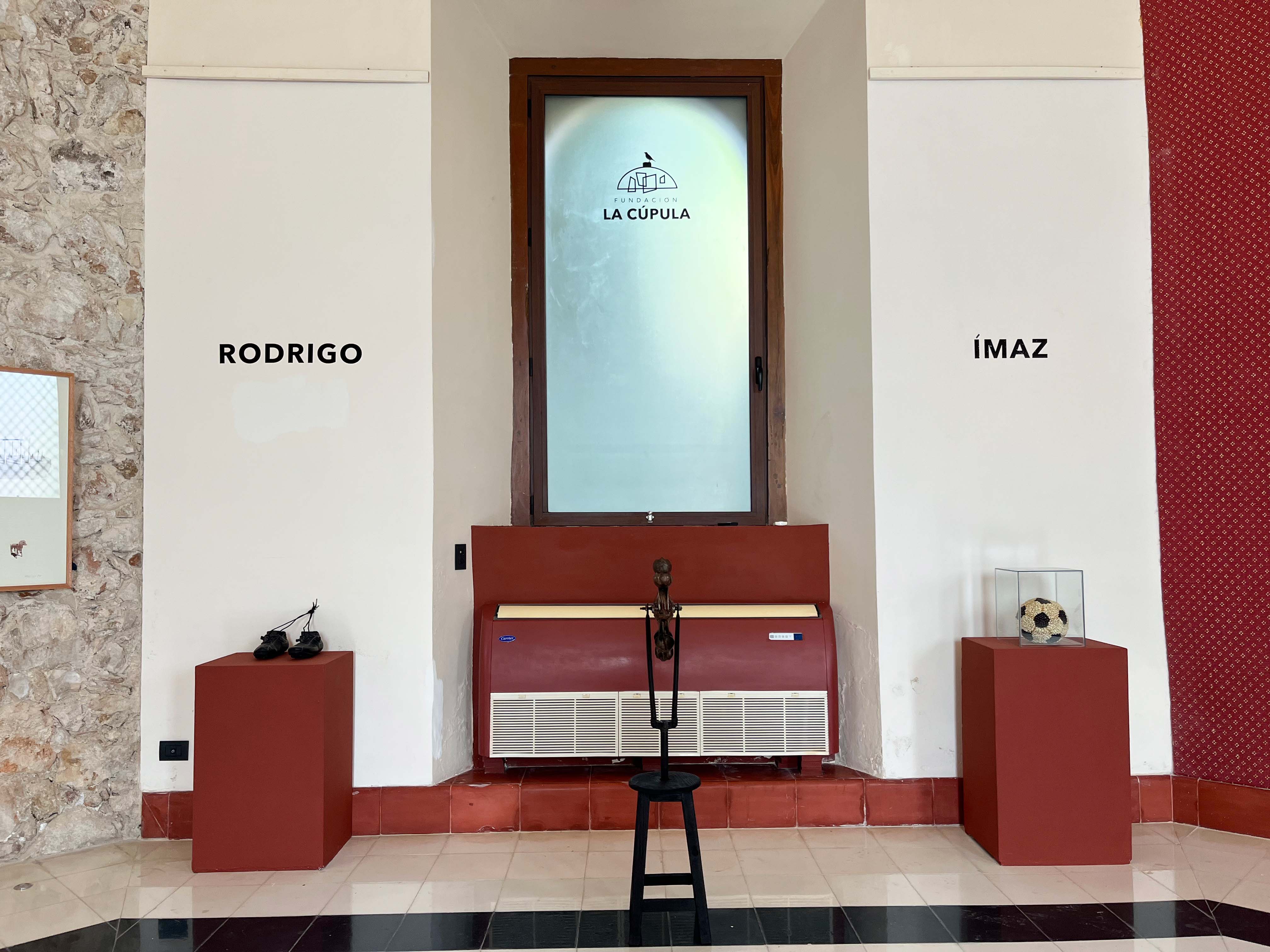
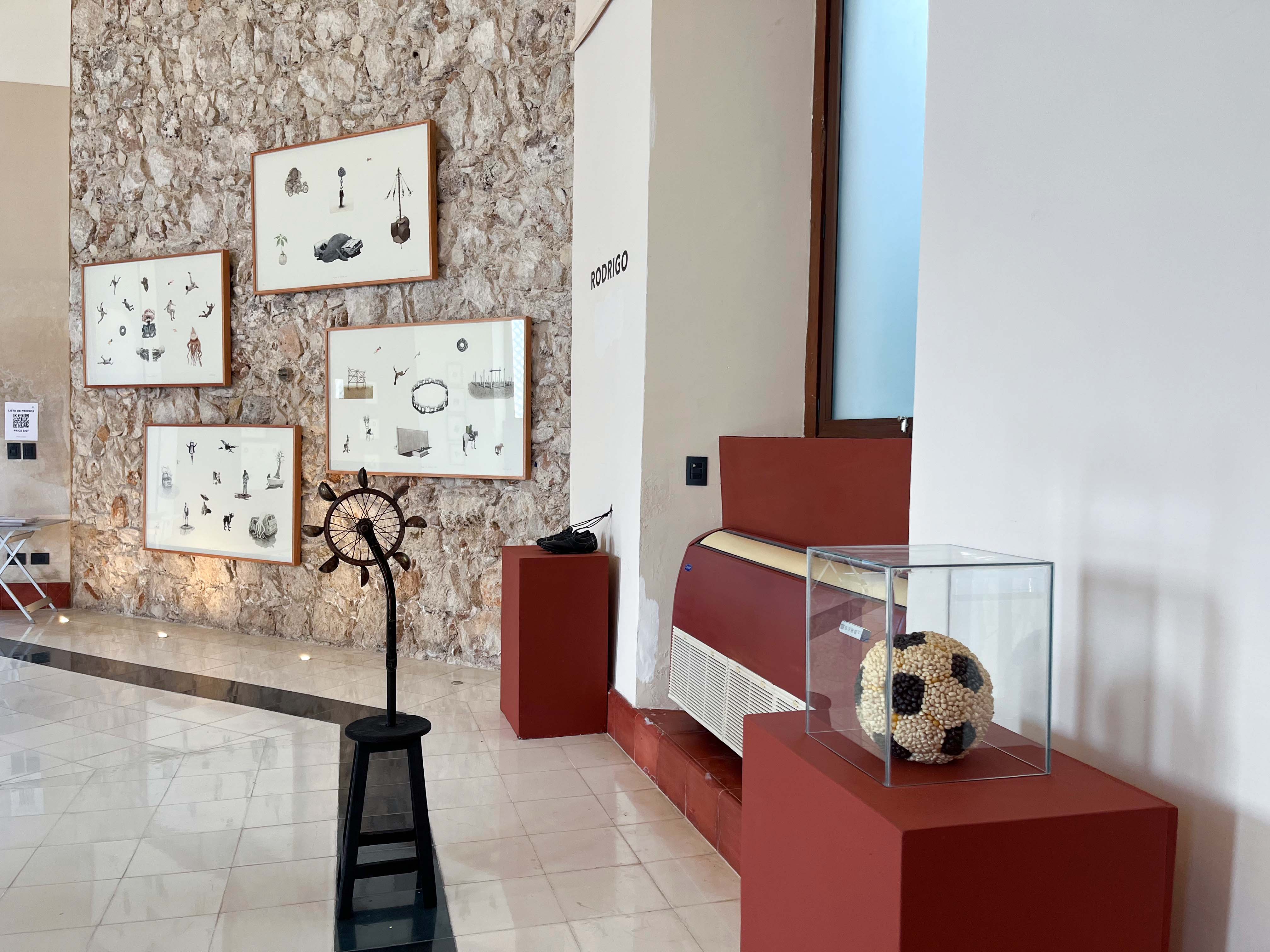
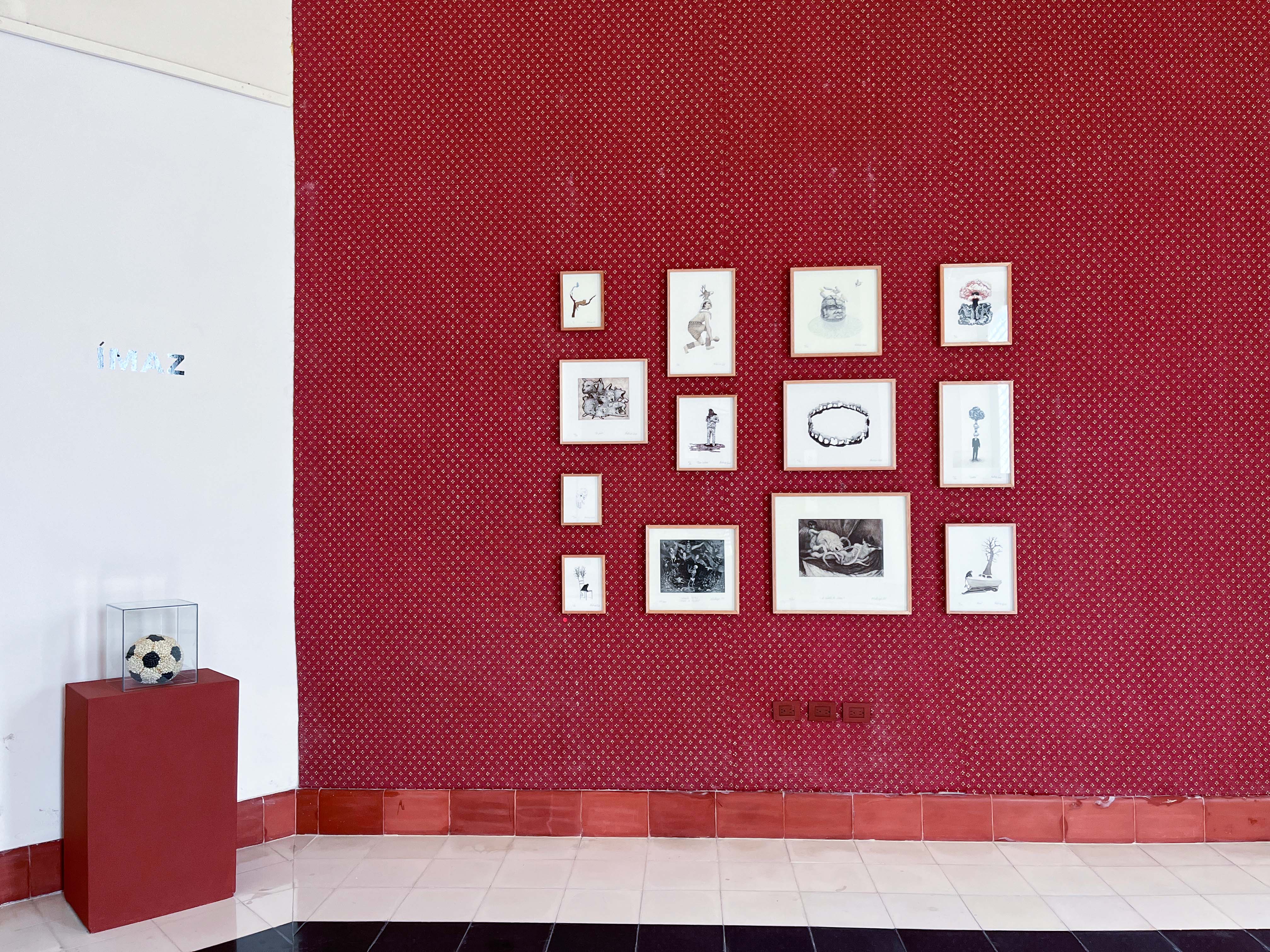
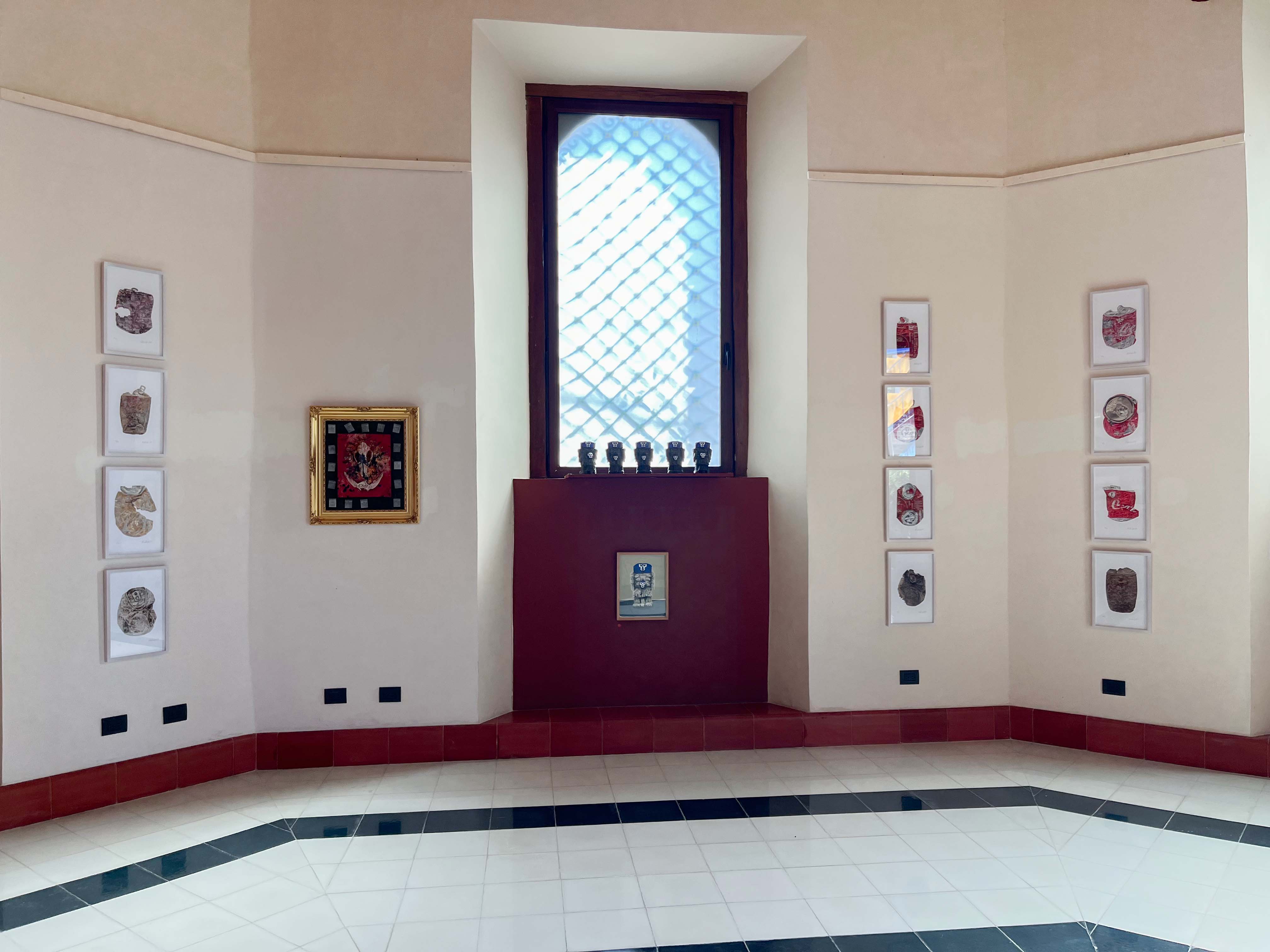
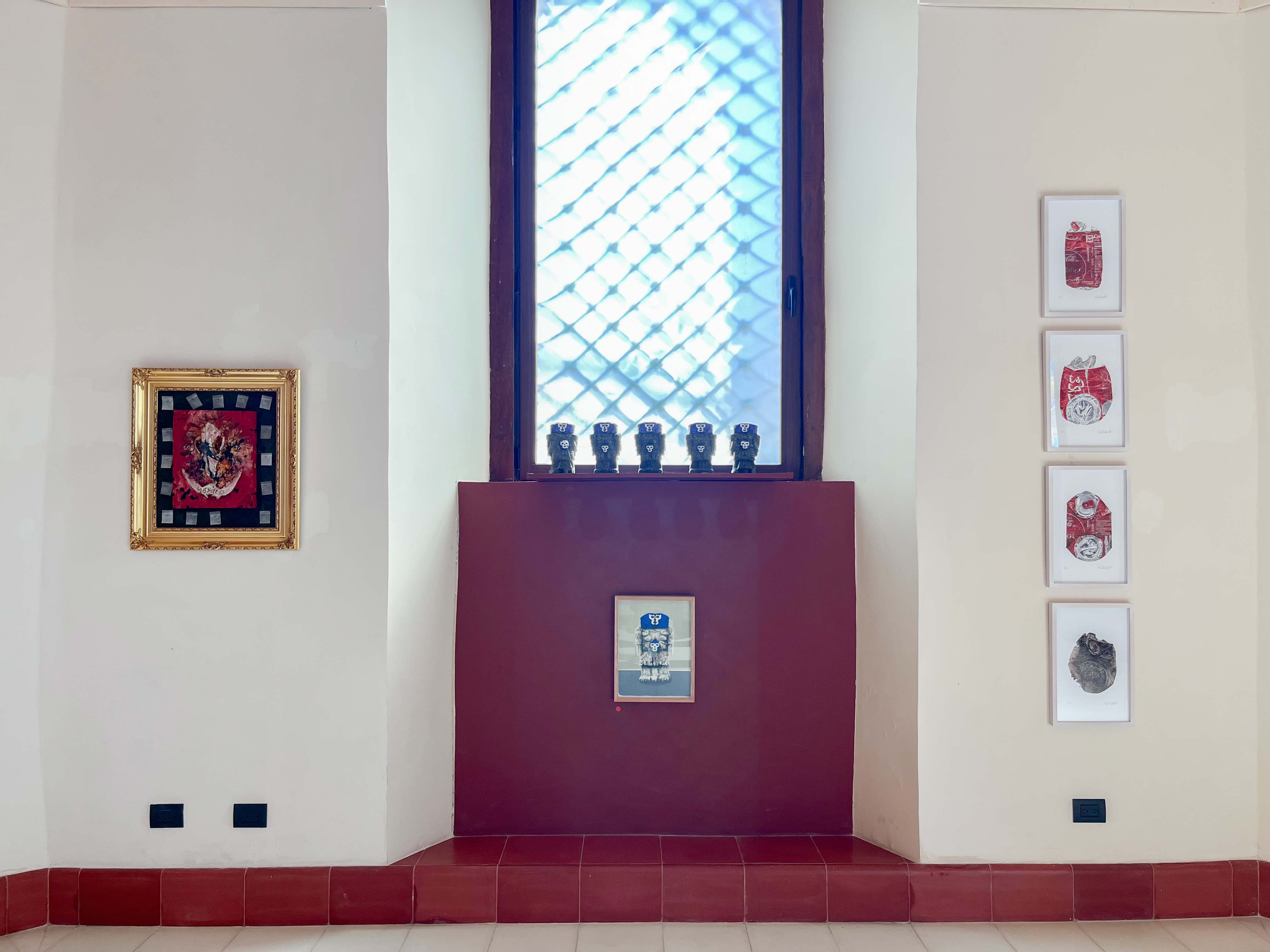
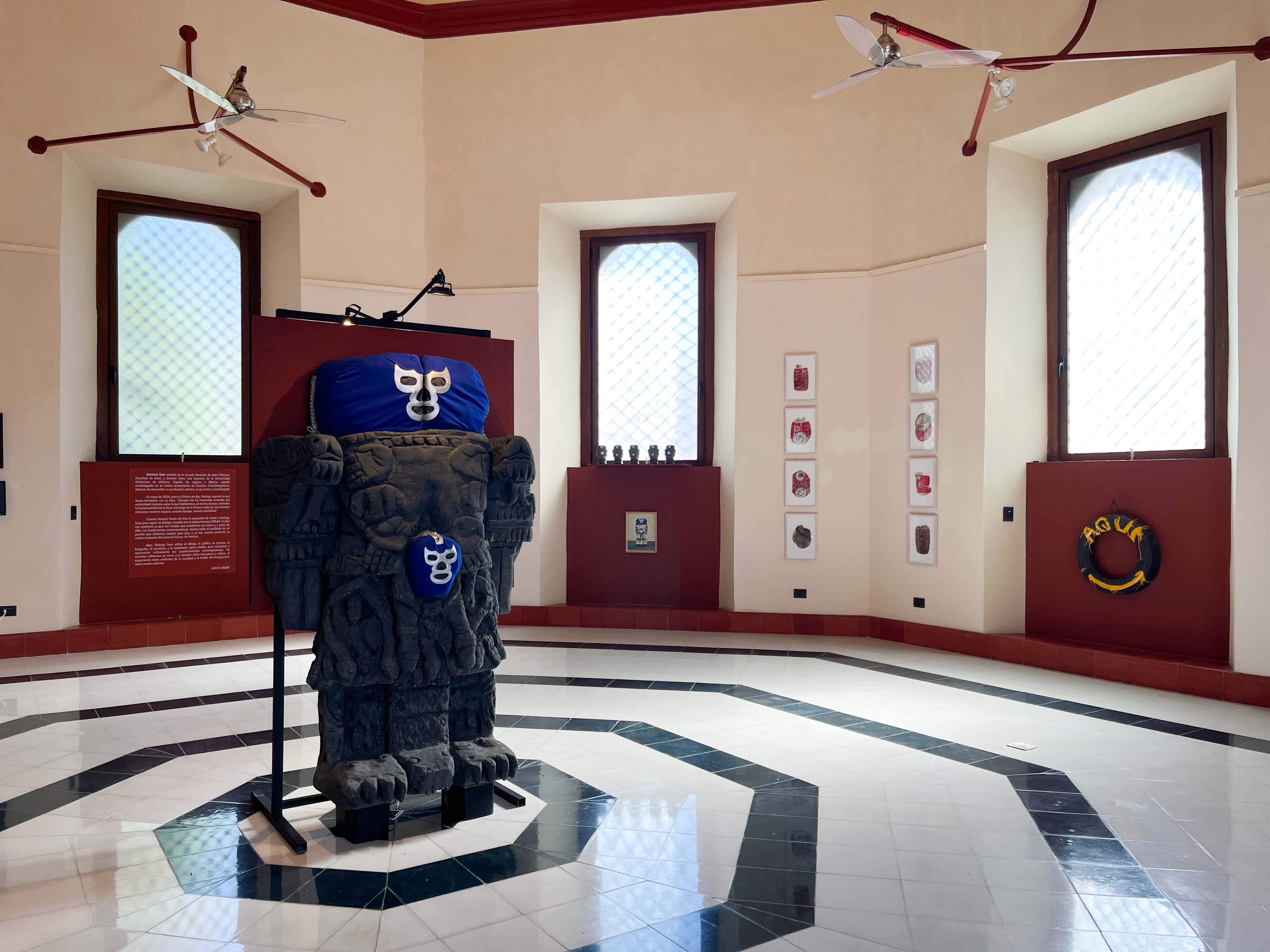
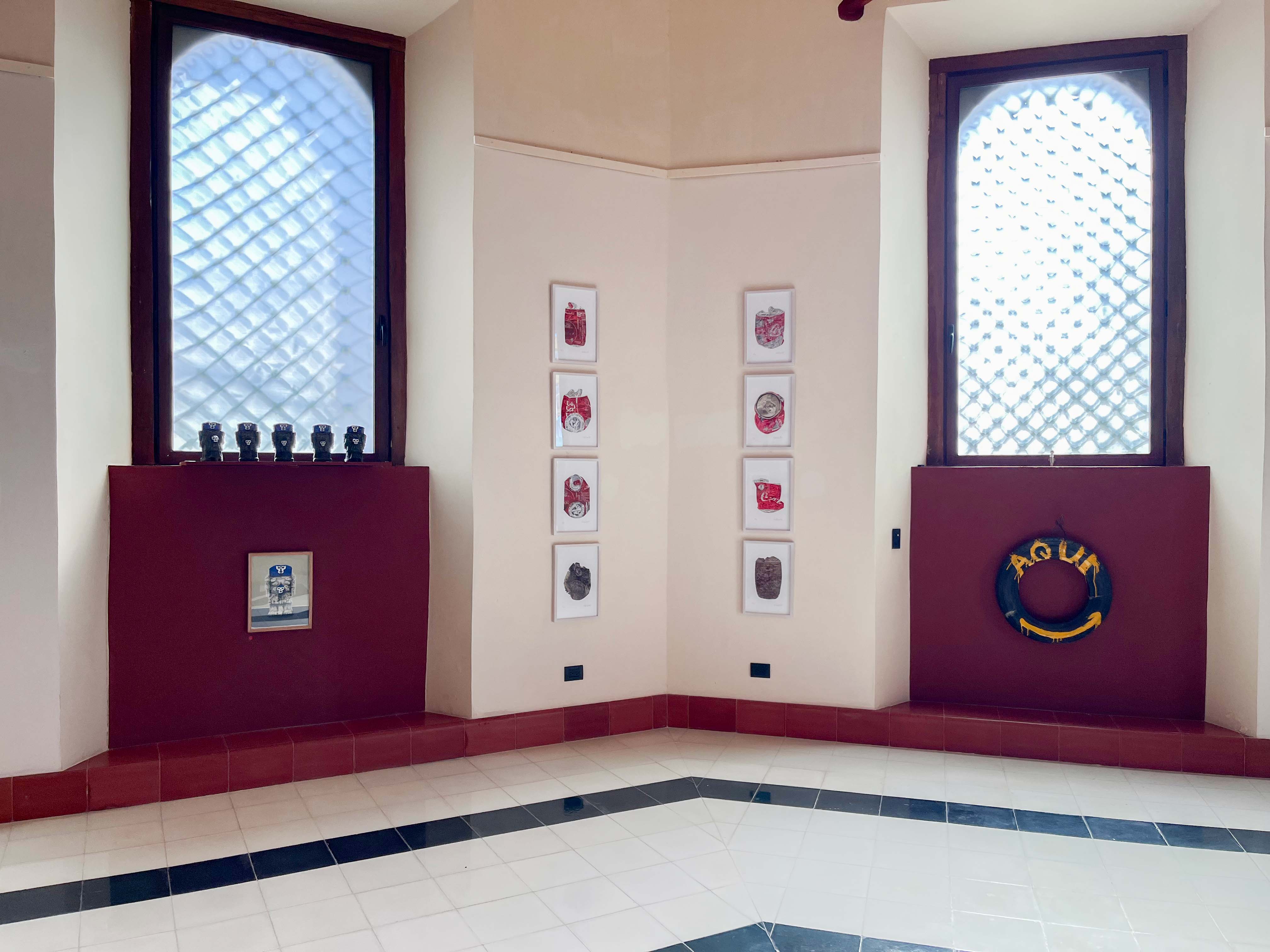
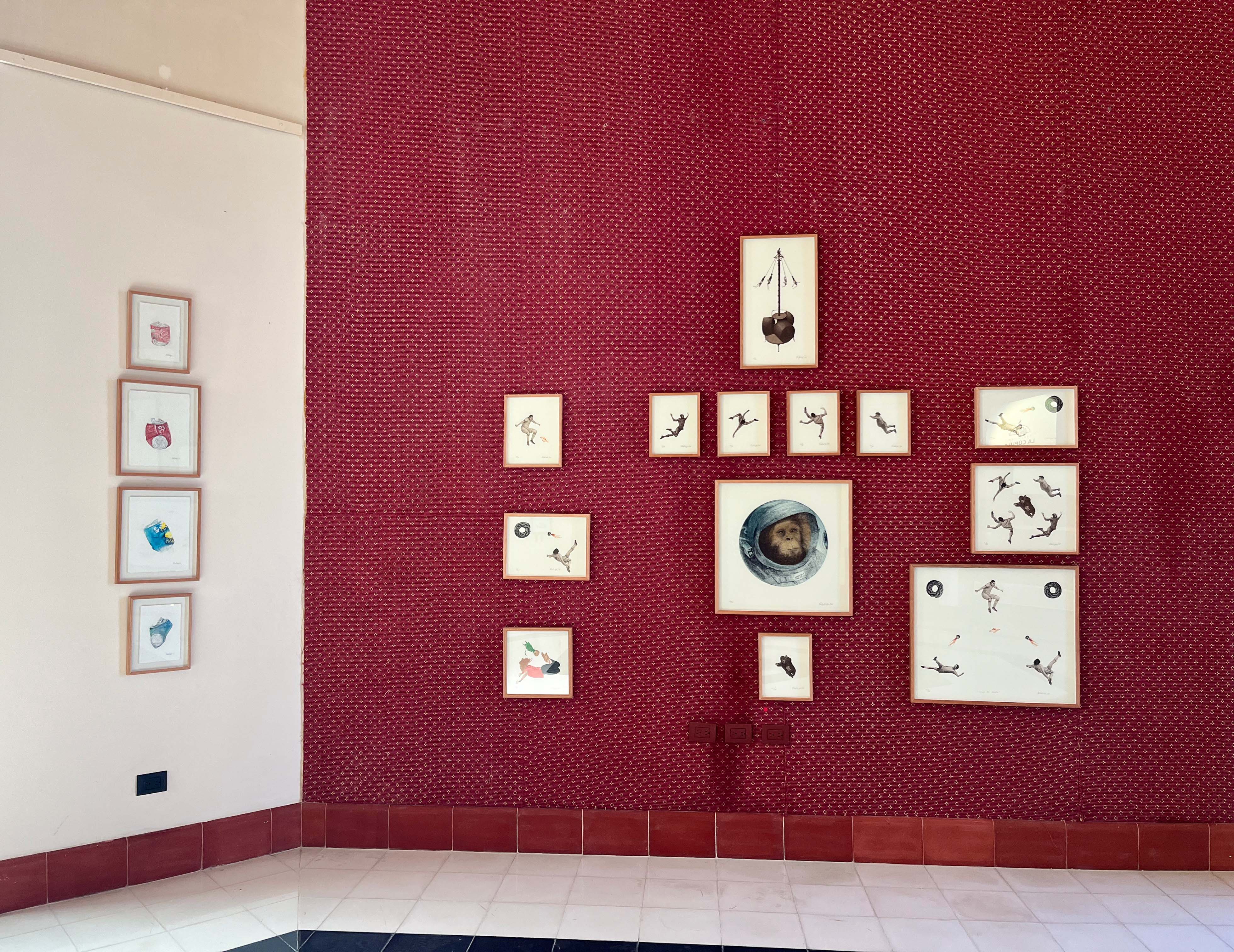
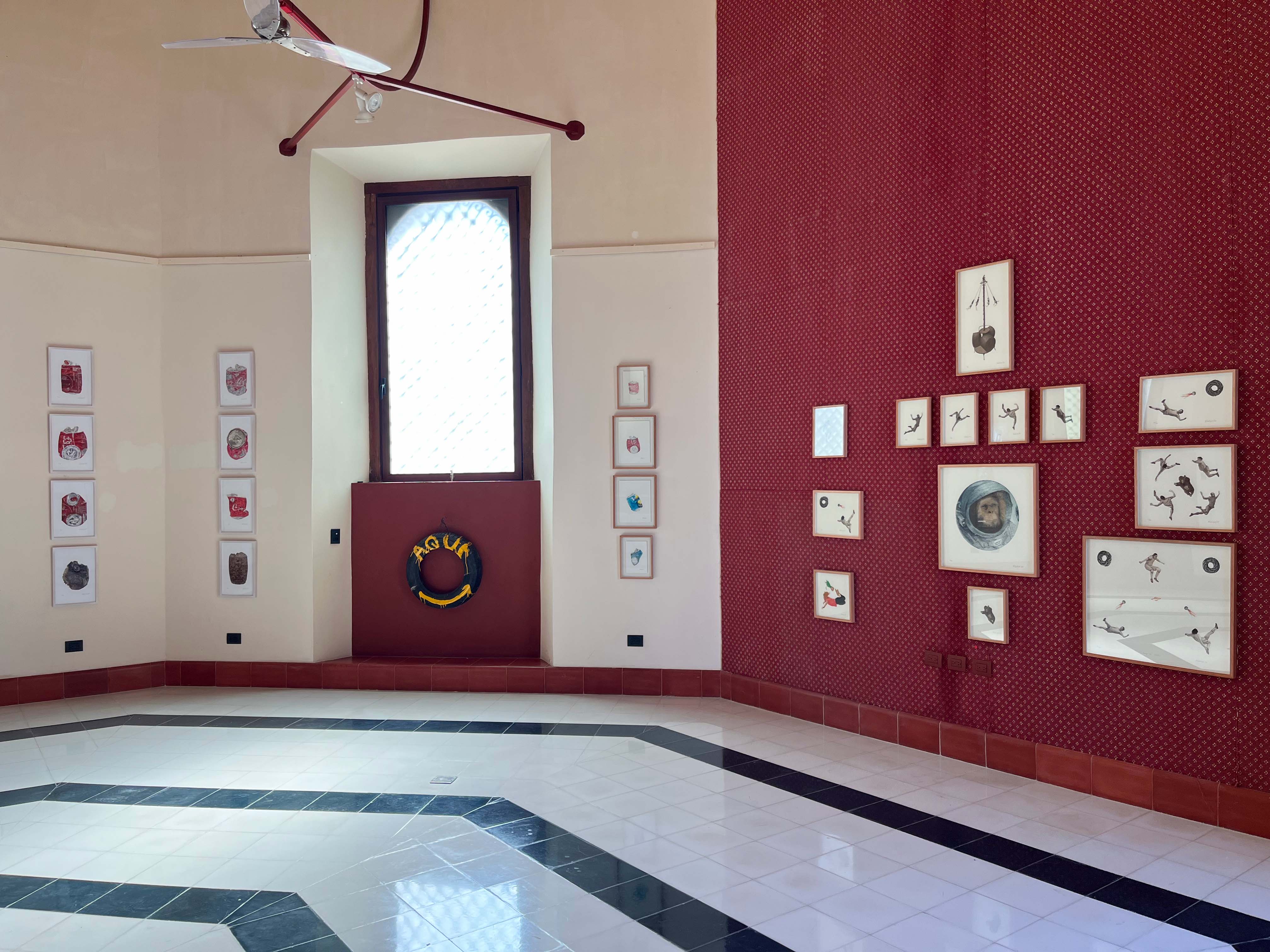
Aquí, Rodrigo Ímaz utiliza el dibujo, la gráfica, la pintura, la fotografía, la escultura, y la instalación como medios para cuestionar y representar críticamente los acontecimientos contemporáneos. Su narrativa reflexiona en torno a la división entre naturaleza y cultura, el espectáculo como mediador de la sociedad y la huella del Antropoceno sobre nuestro planeta.
Leïla G. Voight
RODRIGO ÍMAZ studied at the National School of Visual Arts (Faculty of Arts and Design). He has a master’s degree from the Polytechnic University of Valencia, Spain. Upon returning to Mexico, he enrolled at the University Center for Cinematographic Studies. In addition to developing his artistic production, he is a screenwriter and cinematographer.
In May 2024, in the newspaper La Crónica de Hoy, Rodrigo expressed what he wishes to demonstrate with his work: “I have always been interested in understanding the historical verticality upon which we inhabit and, at the same time, understanding the horizontality of the longer line of history upon which we situate our space, our time, our present.”
When Demian Flores suggested to invite Rodrigo to continue the dialogue he started with French artist ORLAN, I was thrilled with the idea, as both artists question their roots and, based on those, the contemporary foundations. We are all the result of a past that we must accept so that, in turn, our present becomes the past of the near future; without fracture.
Here, Rodrigo Ímaz uses drawing, printmaking, painting, photography, sculpture, and installation as means to question and critically represent contemporary events. His narrative reflects on the division between nature and culture, spectacle as a mediator of society, and the Anthropocene’s imprint on our planet.
Leïla G. Voight